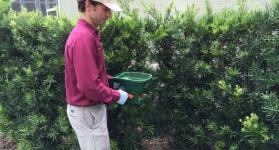


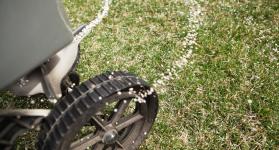
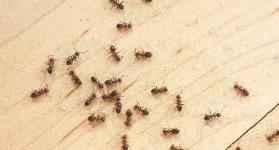
Are you tired of bugs in your home? With our help, that will be a thing of the past. Whether it’s lawn fertilization or pest control that your lawn or home needs, Your Green Team can help! We'll create an affordable program specifically tailored for you to free up your time. The Green Team services all over Florida, with our main locations being in the Tampa Bay, Sarasota and Orlando areas! If you're in those areas and are looking for lawn maintenance, lawn care, fertilization, irrigation or landscape design, then come to The Green Team!
Now Available - Your choice of high-quality services with our NEW Value Packages: ornamental shrub care, aeration, insect control, grub control, disease control, flea/tick control, pest control and … lawn care! – All with convenient monthly billing. Learn More
*Saving you hundreds of dollars from one expert, licensed provider you know and trust.
Our Pest Control services use proven methods, products, and techniques to bring you piece of mind in your home. Read more

Keep your home and family safe and protected with our perimeter pest control services in Florida.Read more

Florida household pest control begins outside your door. Using powerfully effective, pet and child-safe, proactive approach to keeping pests outside your home.Read more


Our aeration services break up thatch and allow nutrients to absorb, giving you a strong, healthy lawn.Read more
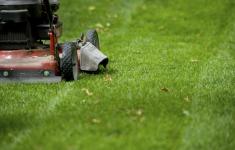
Save your free time for the things you truly enjoy, and leave the lawn mowing to the experts!Read more

Give your neighbors yard envy when they see your expertly maintained lawn and landscape.Read more

Do you have a creative vision for your landscape? Let our professionals help bring it to life!Read more

We help businesses make the best first impression with our expert lawn care and landscaping services.Read more
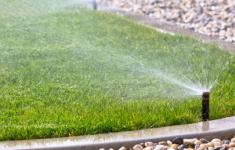
We install, repair, and maintain irrigation systems - giving you a hydrated lawn all year long.Read more
You can save on our services with our offers and coupons. Redeem one of our coupons and start saving money today!
Your Green Team is proud to offer lawn care, landscaping, aeration, irrigation, and pest control services in Florida.
We service the greater Tampa, Sarasota and Orlando areas areas including the following locations: